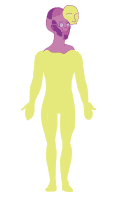
The transfiguration
explores the process where “humans” are becoming cyborgs.
The way we see the world is changing. The line between digital and real space is becoming less clear. Since tools like Google Earth appeared in 2005, digital images have become more realistic and more present in our daily life. Today, it can be hard to tell if a video is made by AI or recorded in the real world. This idea is not completely new. In Renaissance art, painters used perspective to create the illusion of space and depth. In a similar way, digital environments create spaces that look real but are constructed. The illusion explores how digital objects can copy or transform real ones, and how this changes the way we understand what is real.
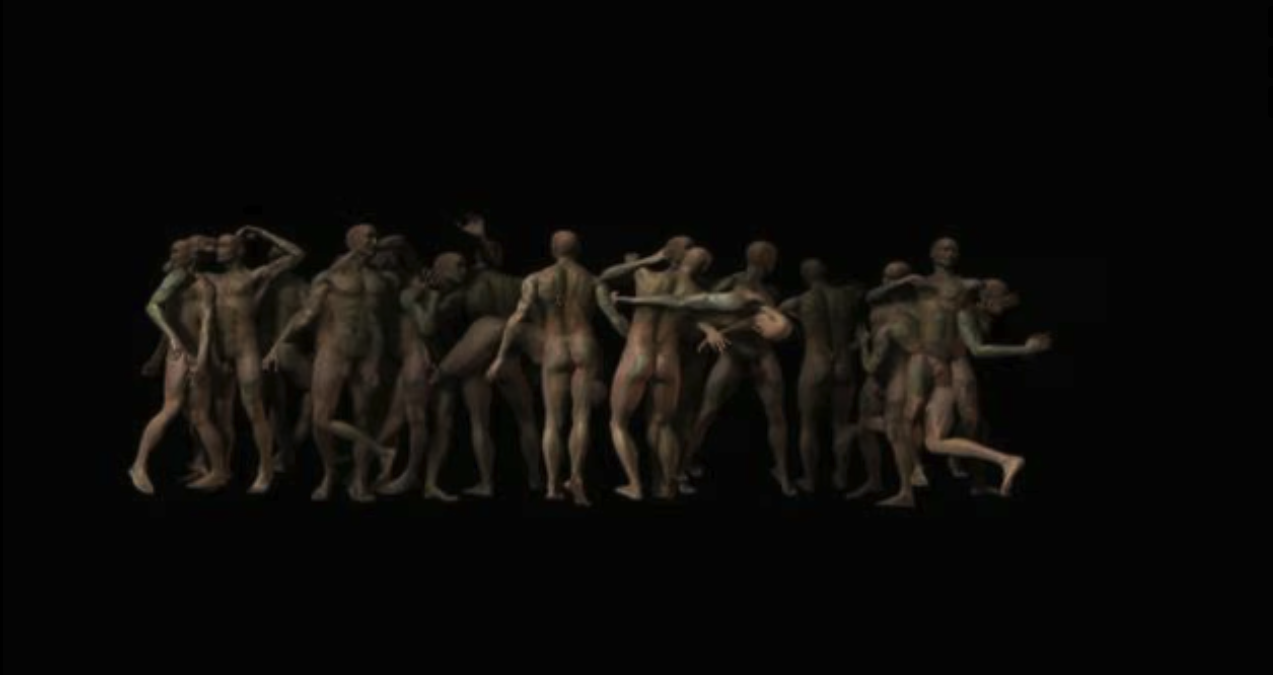
Digital manipulation turns the body into a constructed image rather than a natural form. The transformation feels almost cinematic or divine, where technology allows impossible versions of the human body to exist.
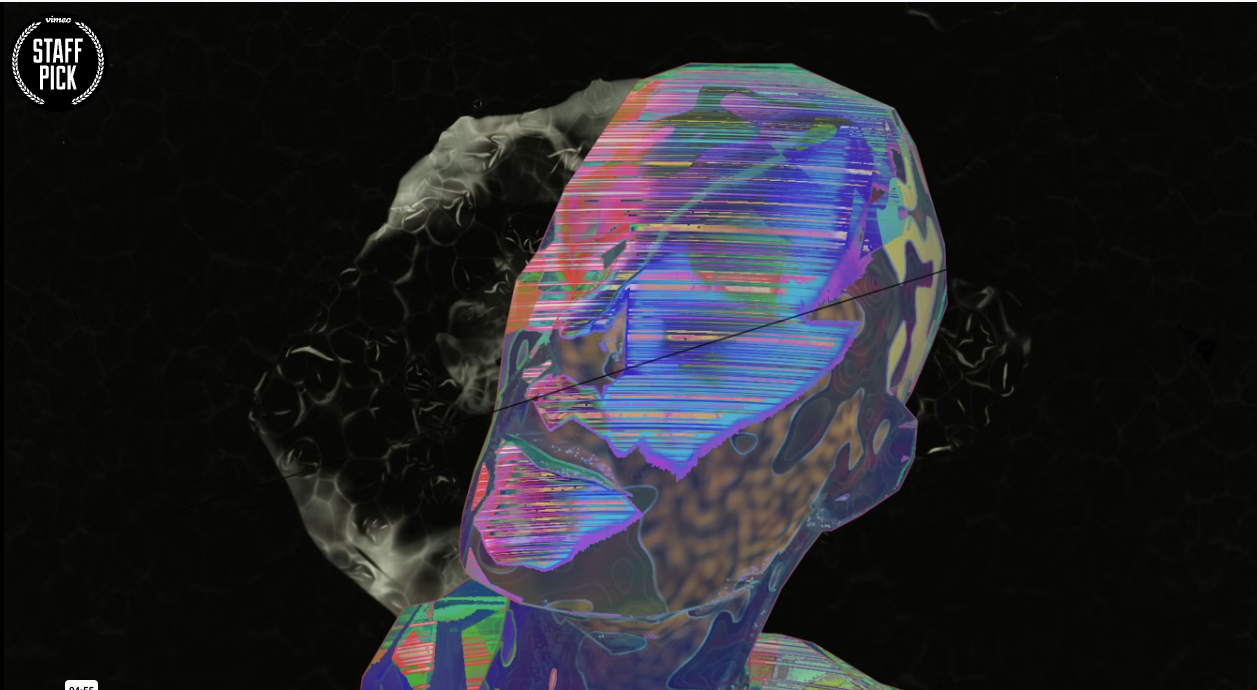
Gero Doll
Advanced Truth, 2014
The video blends organic and synthetic elements, making the human body appear fluid and constantly changing. This transformation challenges the idea of a fixed physical identity.
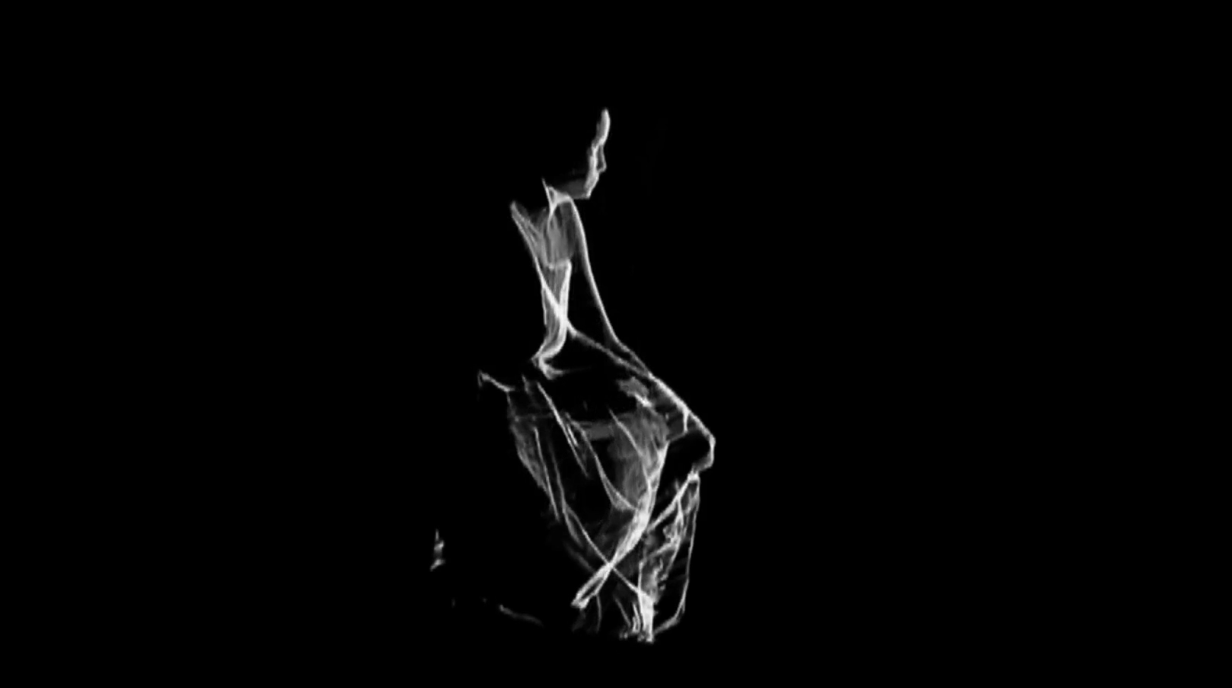
Human movement and appearance are altered through digital effects, creating figures that feel both familiar and unreal. The video suggests a future where technology can reshape the body into something post-human.
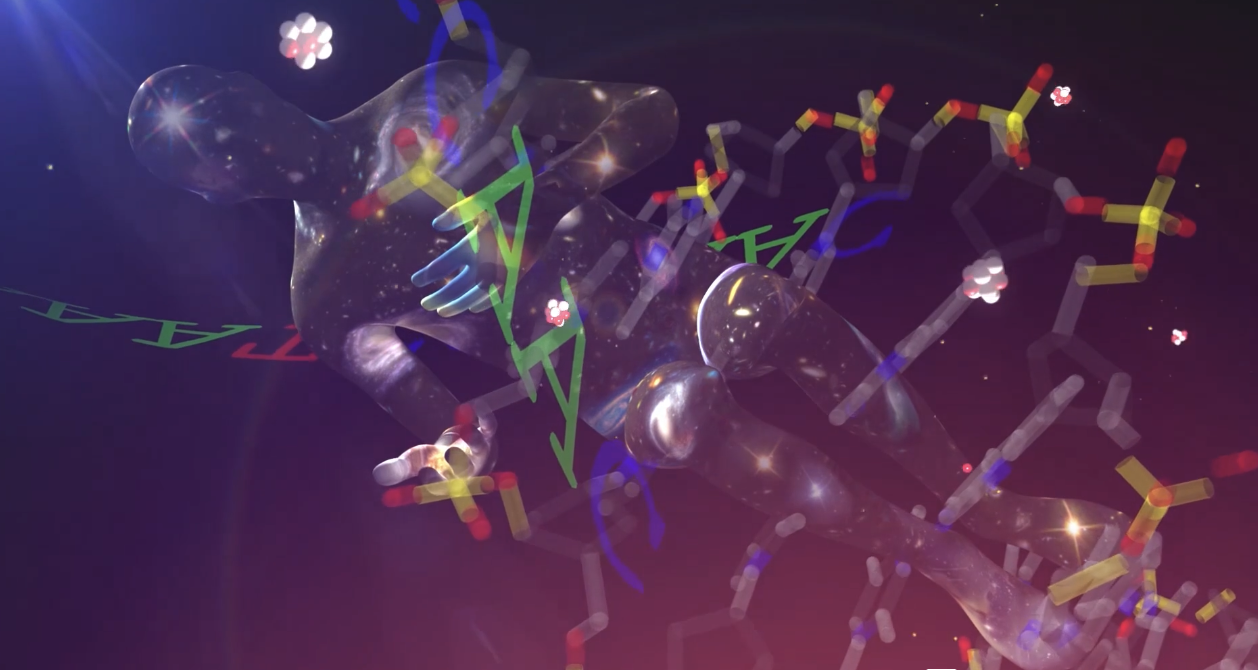
The body is transformed beyond natural limits, mixing human and digital forms together. This creates a transfiguration where identity becomes unstable, existing between reality and artificial construction.